Recent tensions in the Middle East have once again raised concerns about global oil supply. Reports of attacks on oil tankers in the Persian Gulf have triggered fears of supply disruptions, which could lead to higher oil prices worldwide. If the situation escalates further, countries that rely heavily on imported oil—like Pakistan—may experience another increase in petrol and diesel prices.
Iran-Linked Attacks on Oil Tankers
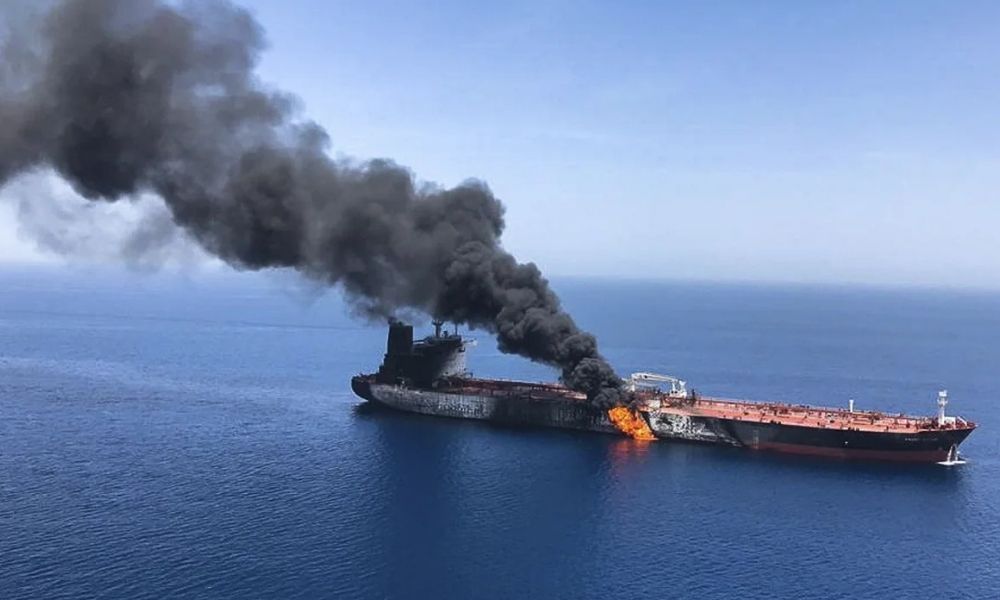
According to international reports, several oil tankers were attacked in waters near Iraq and close to the Strait of Hormuz. The attacks reportedly caused fires on some vessels and forced shipping companies to reconsider routes through the region.
The Strait of Hormuz is one of the most critical oil shipping routes in the world. A significant portion of global oil supply passes through this narrow waterway every day. Any disruption in this area can quickly impact oil availability in international markets.
Security concerns in the region have already caused anxiety among shipping companies and global energy markets. If tanker movements decrease or shipping routes become unsafe, the global supply chain for crude oil could face serious disruptions.
Why the Strait of Hormuz Is So Important
The Strait of Hormuz connects the Persian Gulf to the Arabian Sea and is considered one of the most important oil transit chokepoints in the world. Roughly 20% of global oil trade passes through this route daily.
Major oil-producing countries such as Saudi Arabia, Iraq, the United Arab Emirates, Kuwait, and Iran export large volumes of oil through this channel. Because of this, any military conflict, attacks on ships, or closure of the strait can have immediate effects on global oil markets.
Energy analysts often warn that even a temporary disruption in this region can push crude oil prices sharply higher.
Global Oil Prices React to the Crisis
Following the tanker attacks, international oil prices reacted quickly. Market uncertainty caused crude oil prices to jump as traders anticipated possible supply shortages.
Energy experts say that geopolitical tensions are one of the biggest factors influencing oil markets. When conflicts occur near key energy routes, investors and traders usually expect supply disruptions, which pushes prices upward.
If the conflict continues or escalates further, analysts believe oil prices could remain volatile in the coming weeks.
Possible Impact on Petrol Prices in Pakistan
Pakistan imports a large portion of its petroleum products, which means global oil price fluctuations directly affect domestic fuel prices.
When international crude oil prices rise, the cost of importing petroleum also increases. This usually leads to higher petrol and diesel prices during the government’s periodic fuel price adjustments.
If the situation in the Persian Gulf leads to long-term supply disruptions, Pakistan may experience further increases in fuel prices. This could also impact transportation costs, electricity production, and inflation across the country.
What Experts Are Saying
Energy analysts are closely monitoring developments in the Middle East. According to market experts, the key factor will be whether tanker traffic continues normally or if shipping companies begin avoiding the Strait of Hormuz.
If shipping disruptions increase, global oil supply could tighten, leading to higher crude oil prices worldwide.
However, if tensions ease quickly and tanker routes remain open, the oil market may stabilize in the short term.
Conclusion
The recent attacks on oil tankers near the Strait of Hormuz have raised serious concerns about global energy supply. Because this region is responsible for transporting a large portion of the world’s oil, any disruption could quickly affect international oil prices.
For countries like Pakistan that depend heavily on imported fuel, rising global oil prices could lead to higher petrol and diesel prices in the near future.
As the situation continues to develop, governments, energy companies, and global markets will closely monitor events in the region to understand the potential impact on the global energy supply chain.
Frequently Asked Questions:
Why do tanker attacks affect oil prices?
Oil tanker attacks create uncertainty in global energy supply. When shipping routes become unsafe, oil deliveries may slow down or stop, causing crude oil prices to increase in international markets.
How does global oil price increase affect Pakistan?
Pakistan imports a large portion of its petroleum. When global oil prices rise, the government may increase petrol and diesel prices during periodic fuel price adjustments.
What is the Strait of Hormuz?
The Strait of Hormuz is a narrow waterway connecting the Persian Gulf to the Arabian Sea. It is one of the most important oil transit routes in the world.
Could petrol prices increase in Pakistan soon?
If global crude oil prices continue rising due to geopolitical tensions, Pakistan may experience higher petrol prices in upcoming price revisions.